
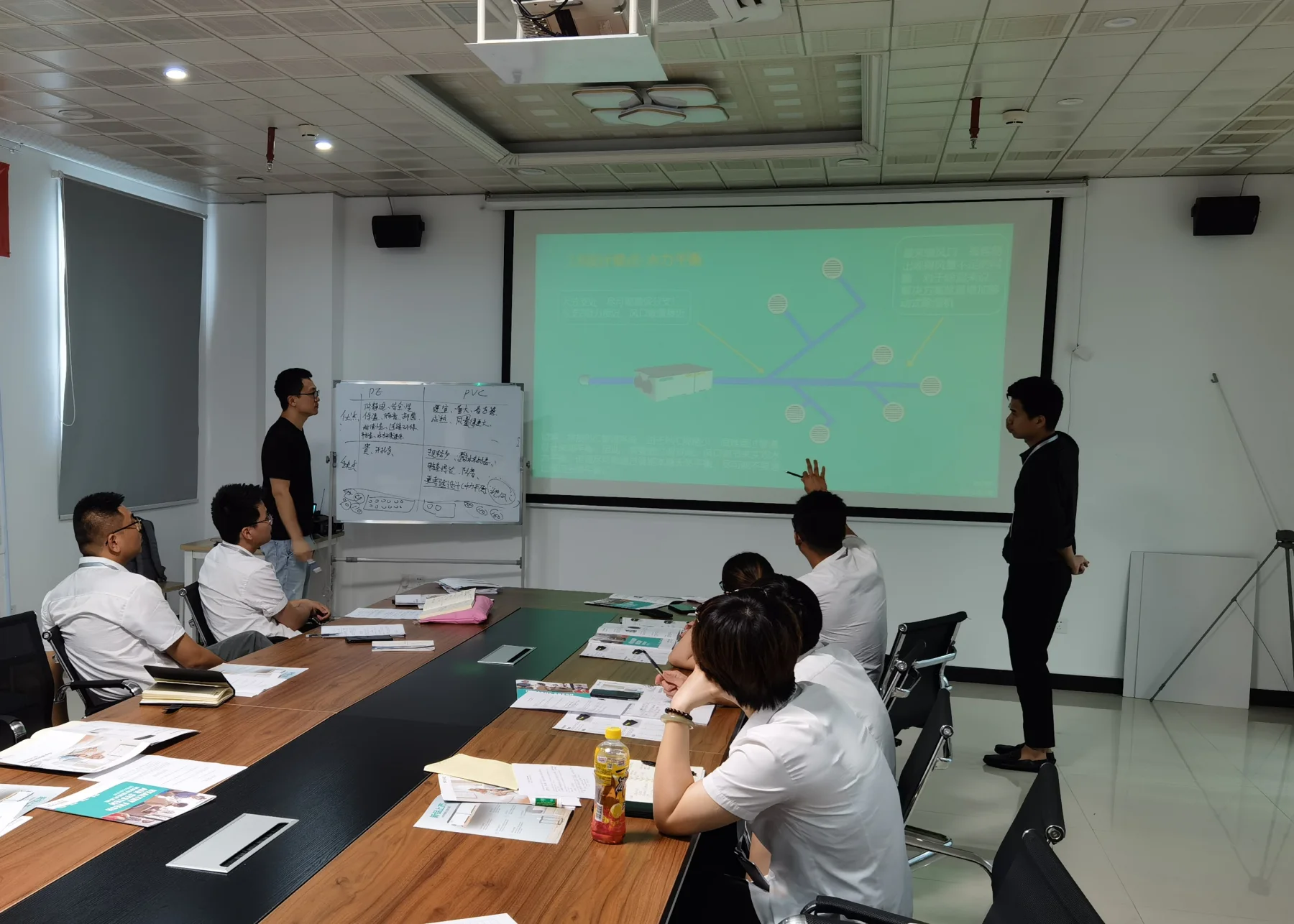
CUSTOM EQUIPMENT / CO-DEVELOPMENT
Co-Develop Dehumidification Equipment Around Your Application
Bring us your operating conditions and the difficult constraints. Together, we can define and develop equipment that fits your application.
We co-develop application-specific dehumidification equipment around the operating conditions, interfaces, and integration requirements of the wider project or system.
Application review before equipment selection. Clarify the conditions, interfaces and responsibilities before fixing the configuration.
Who we co-develop with
Who we co-develop with
01
Growers and agriculture integrators
Greenhouse and controlled-environment projects with night-time humidity, installation or climate-control requirements.
Explore YAKE Agriculture 02Energy and electrical equipment manufacturers
Battery storage cabinets, electrical enclosures and switchgear with mounting, drainage and control constraints.
Explore ANTIS Energy 03Equipment brands / OEM & ODM
Brands seeking equipment adapted to their application, interfaces and repeat-order requirements.
Explore equipment familiesEquipment options & sizing
Equipment options & sizing
Compare the moisture-removal method, capacity and installation form against the application before fixing the configuration.
Refrigerant dehumidification
A practical option where temperature conditions support condensation-based moisture removal and stable drainage.
Desiccant dehumidification
Review a suitable model for lower humidity or low-temperature conditions. Confirm its operating range and required dew point for the specific application.
Compact and application-specific equipment
For cabinets, enclosures, ceiling spaces and installations shaped by mounting, airflow, drainage or control limits.
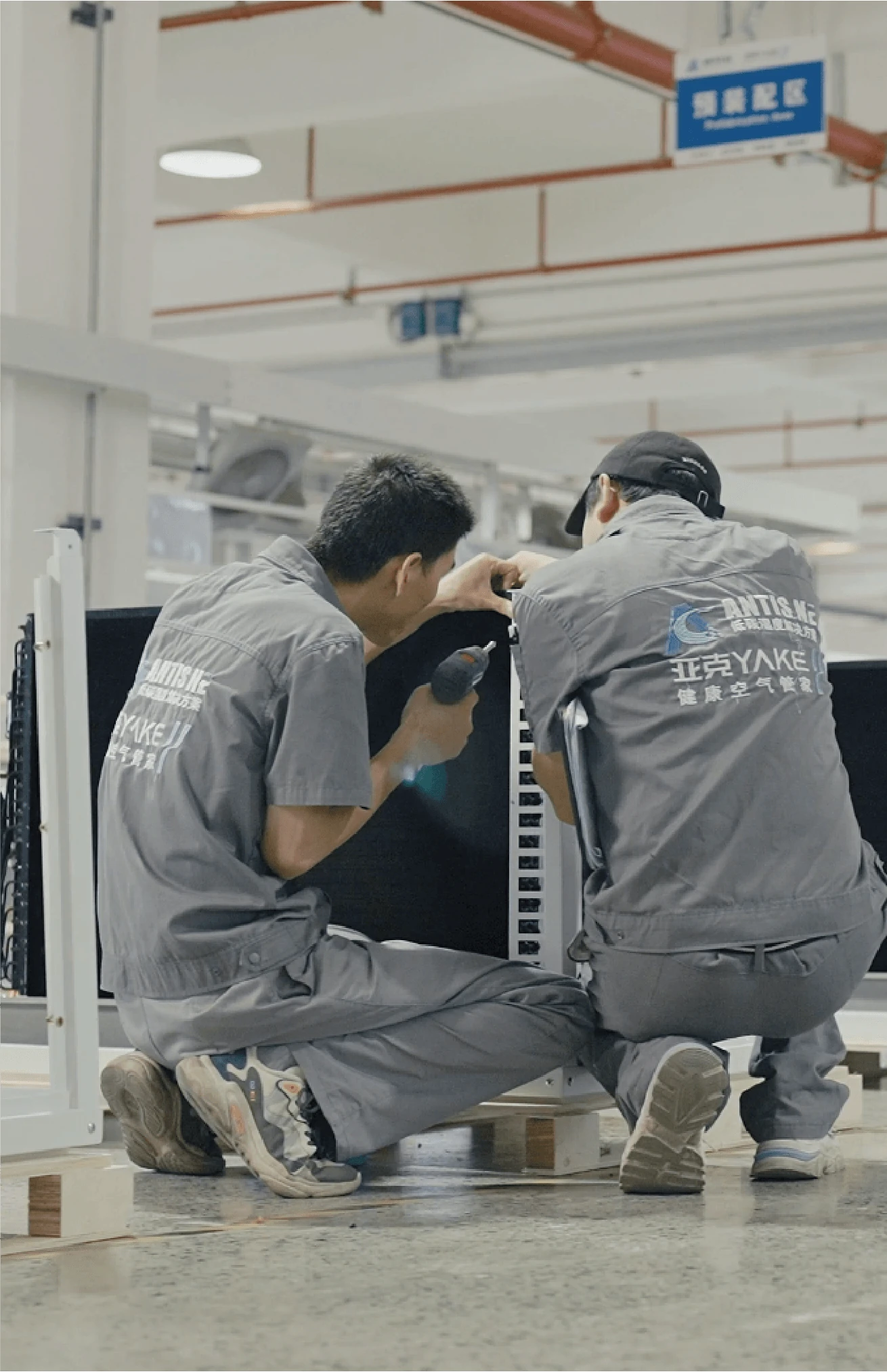
What we can adapt
What we can adapt
Start from a suitable model and confirm each change against the operating conditions. Options depend on the selected equipment and agreed scope.
- Duty-point performance
Review moisture removal at the actual temperature and humidity, especially the night-time or winter minimum. A rating at 30°C / 80% RH is not a low-temperature performance guarantee.
- Size, mounting and airflow
Review the enclosure, inlet and outlet arrangement, mounting envelope and service access around the installation.
- Power and drainage
Match voltage, frequency, phase and available electrical capacity; review hose routing and the condensate discharge point.
- Material and component review, documentation and repeat-order configuration can also be included in the agreed scope.
Controls & system interfaces
Controls & system interfaces
Agree what the equipment reads, controls and reports, and who is responsible for each connection.
01Operating logic and sensors
Review setpoints, sensor type and position, start and stop logic, alarms and fault handling.
02Controls and communication
RS485 is listed for ADS-10D. A storage-container equipment proposal specifies Modbus RTU over RS485. Confirm the selected model’s protocol, sensor inputs and alarm requirements during review.
03Interface ownership
Agree third-party controller connections, wiring boundaries and commissioning responsibilities.
How a project runs
How a project runs
These stages define the proposed project scope. Samples, tests and quantities are agreed for each project; timing is determined project by project.
Requirement review
You provide: Application, measured conditions, target and installation constraints.
We prepare: An equipment review and a list of missing inputs.
Proposal and selection
You provide: Layout, utilities, interfaces and acceptance requirements.
We prepare: A proposed model or adaptation scope and the conditions behind the selection.
Prototype / sample
You provide: Agreed scope and sample requirements.
We prepare: The agreed sample configuration for evaluation.
Testing and validation
You provide: Test conditions, acceptance criteria and field observations.
We prepare: Agreed performance checks and configuration review.
Small-batch evaluation
You provide: Pilot quantity, installation feedback and any changes.
We prepare: The agreed pilot equipment and a review before larger orders.
Production
You provide: Approved configuration, order quantity and schedule.
We prepare: Equipment manufactured to the agreed configuration.
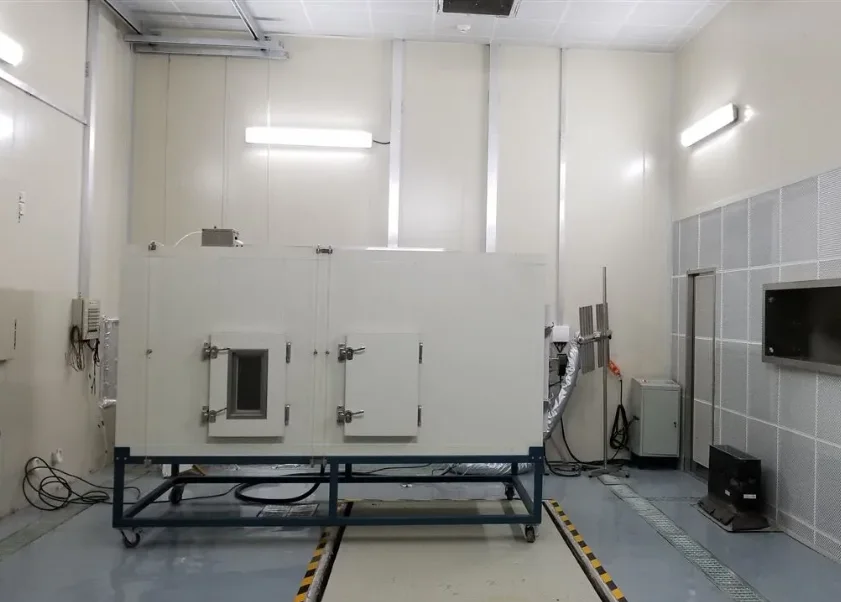
Factory, testing & certifications
Factory, testing & certifications
Our performance laboratory measures power and dehumidification performance. Ceiling-unit testing also covers current and airflow; sample testing evaluates equipment performance and reliability.
Explore manufacturing and testingCertificate M2510541XY-C0529, issued 7 November 2025, records IP55 testing to EN 60529 for the investigated rotary-dehumidifier sample. Listed models include ADS-500M. Its scope is the tested sample and specified tests; applicability to your configuration must be confirmed.
Project examples
Project examples
Flower greenhouse / delivered equipment
Requirement: Control high night-time humidity in a growing space.
Challenge: Moisture near the cooling pad and uneven conditions across the greenhouse.
Equipment approach: Floor-standing dehumidifiers were introduced in stages, with readings from three locations used to compare conditions. The record informs placement and duty review; it does not establish a universal capacity per floor area.
Battery storage container / design assessment
Requirement: Review dehumidification for an enclosed battery compartment.
Challenge: Available air volume, leakage, humidity recovery, mounting and drainage constraints.
Equipment approach: The assessment evaluated moisture load and airflow, proposed refrigerant equipment, and specified an external drain and Modbus RTU over RS485. This is a design proposal; performance needs verification against final operating conditions.
What to send us
What to send us
Send what you already know. Identify measured and estimated values; unknown information can remain open.
01
Application and the problem to solve
02
Space dimensions / volume and installation limits
03
Quantity and required schedule
04
Destination market and certification requirements
IP & confidentiality
IP & confidentiality
Confidentiality arrangements and ownership of customer-specific designs are defined in the contract. Start with a non-confidential description; agree document-handling terms before sharing restricted drawings.
Co-development FAQ
Co-development FAQ
What is the minimum order quantity?
Request a quantity review for the selected model and adaptation. Where operating conditions need validation, our R&D team recommends limited initial procurement before a larger order. No single MOQ is stated for all custom projects.
How long does a prototype take?
Timing is determined project by project after the changes, sample scope and validation requirements are agreed. Include your required date with the initial request.
Can we start with an existing model?
Yes. Review an existing model against the required duty, mounting, power, drainage and interfaces, then define any changes that need development or testing.
What installation support is available?
We provide equipment parameters and installation requirements to support your project team. Site surveys, electrical modifications and structural design remain with the relevant qualified project professionals.
LET’S REVIEW YOUR APPLICATION
Describe your project
Name and reply email are required. All project details are optional; review your information before sending.
Go to the project formGENERAL CONTACT & SUBMISSION GUIDANCE
Send a general question or describe an early-stage project
For company, distribution, product, media, or other questions, use this form or email hi@yakeclimate.com.
Include the application, country, question, expected next step, and any deadline. Share a secure file link when drawings or specifications help explain the requirement.
- Use a business email where possible
- Provide real operating conditions instead of a product name alone
- State which values are measured, estimated, or still unknown
- Remove passwords, payment data, and unrelated confidential information from shared files
- Identify any document that requires confidential handling
PROJECT FORM
Share the information already available
Unknown values can remain open. The first review will identify the next questions.